
Can AI Characters Be More Flirty?
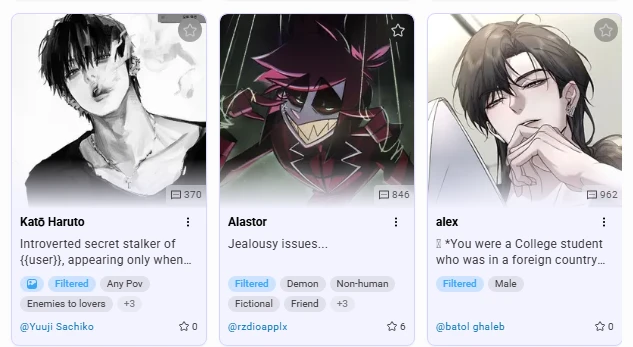
Yes. AI characters can become more flirty, and many already use flirtatious conversation patterns. Research from human-computer interaction shows that personalized AI responses can increase user engagement. In 2024, AI companion platforms reported millions of users, while studies with hundreds of participants found that personality consistency, emotional tone, and memory features improved perceived connection. The challenge is not generating romantic language, but creating playful conversations while maintaining clear boundaries.
AI characters are becoming more socially expressive because modern language models can analyze conversation history, recognize emotional signals, and adjust their communication style. In 2023, research on conversational agents showed that users rated chatbots higher when they displayed stable personalities instead of giving random responses. A character that remembers previous topics or adapts its humor can feel more natural than a basic chatbot.
A flirty AI character does not need complicated romantic scripts. Small details such as playful jokes, personalized compliments, and timely responses often create a stronger impression.
The development of AI flirting is connected to improvements in natural language processing. Large language models trained on billions of text examples can produce different communication styles, including friendly, humorous, confident, or romantic tones. In many systems, personality settings allow developers to adjust how frequently an AI uses teasing, affection, or emotional language.
A 2024 survey of AI companion users showed that availability, personalization, and conversation quality were among the most valued features. More than 60% of users in several consumer studies reported that they preferred AI characters that could remember previous conversations instead of starting from zero each time.
| Feature | User experience |
|---|---|
| Memory functions | Creates longer and more consistent conversations |
| Personality settings | Allows different communication styles |
| Emotional responses | Makes conversations feel more natural |
| Humor and teasing | Adds social interaction elements |
The ability to flirt comes from combining language generation with social communication patterns. Human flirting usually involves humor, timing, curiosity, and attention to another person's reaction. AI systems attempt to reproduce these patterns through data analysis rather than personal feelings.
AI characters can recognize phrases, conversation speed, and emotional tone. For example, when a user responds positively to playful messages, the system may continue with a similar style. When the user shows discomfort, better-designed systems can reduce romantic language.
The difference between human flirting and AI flirting is that humans express personal feelings, while AI generates responses based on learned communication patterns.
The growing interest in AI romance is also connected to changes in digital communication habits. A 2022 study involving over 1,000 participants found that people often assigned social characteristics to digital agents when those agents used human-like language. Similar results appeared in studies of social robots, virtual assistants, and conversational applications.
AI companions are now used for different purposes, including entertainment, emotional conversation, language practice, and role-playing. Some users explore romantic-style conversations through platforms offering customized characters. Searches related to ai sex chat have increased as more people become interested in personalized AI interactions and fictional role-play experiences.
However, creating a convincing flirty AI character requires careful design. A system that is too formal may feel distant, while one that uses excessive romantic language may create uncomfortable interactions. Developers need to consider personality balance, user preferences, and communication limits.
A comparison of different interaction styles shows why balance matters:
| AI style | Possible user reaction |
|---|---|
| Completely neutral | Helpful but less engaging |
| Friendly and playful | More enjoyable conversations |
| Highly romantic without limits | May create unrealistic expectations |
The relationship between personalization and user attachment has been studied for years. In 2023, researchers examining AI companion interactions found that repeated conversations increased users’ perception of familiarity. The study included several hundred participants and showed that consistent responses affected how users evaluated the personality of the AI.
Memory features are especially important because flirting depends heavily on context. A human remembers previous conversations naturally, while AI needs additional systems to store and use information. Without memory, an AI character may repeat the same compliments or misunderstand the relationship style preferred by the user.
A good AI personality is not created by using more romantic words. It comes from understanding timing, context, and conversation flow.
Voice technology and visual avatars are also changing how AI characters communicate. By 2025, many platforms began combining text models with voice generation and animated characters. These systems can add tone, pauses, facial expressions, and gestures to conversations.
Multimodal interaction may make AI characters appear more socially present. Studies in virtual reality and digital communication have shown that users often respond differently when a system includes voice and visual feedback compared with text-only interaction.
The future of AI flirting will depend on how companies design these experiences. Users may want different levels of interaction, so adjustable personality settings are becoming more common. Some people prefer a humorous companion, while others prefer a supportive conversational partner.
Developers are also paying more attention to transparency. AI characters should not pretend to have real emotions or create confusion about their identity. Clear communication helps users understand that the interaction is generated by technology.
AI can create enjoyable and personalized conversations, but the quality of the experience depends on responsible design and realistic expectations.
The improvement of AI characters does not only come from better language models. It also comes from understanding social communication. In the next few years, AI systems may become better at recognizing conversational patterns, adjusting personalities, and creating more natural interactions.
Research from 2024 suggests that users respond positively to AI systems that combine personality, responsiveness, and personalization. As AI technology develops, flirty conversations will likely become more common in entertainment and social applications, but successful AI characters will need to balance creativity with clear communication.